Onsite Builder/General Contractor vs Project Manager –
Why It Matters For Your Custom Home
When you’re building a custom home—especially in a place like Big Sky—who is actually running the job matters as much as the design itself.
Some companies operate with a project manager model: a PM schedules trades, checks in, and keeps the process moving. Others operate with an onsite builder / general contractor model: the builder is physically present, leading the build daily, solving problems in real time, and taking direct responsibility for quality.
Both can produce a finished home. But the experience—and the outcome—can be very different.
What’s the Difference?
The Project Manager Model
In this model, the PM may be juggling multiple jobs, visiting each site periodically. Trades do much of the day-to-day execution and coordination onsite.
A project manager is often responsible for:
This approach can work well when:
The Onsite Builder / GC Model
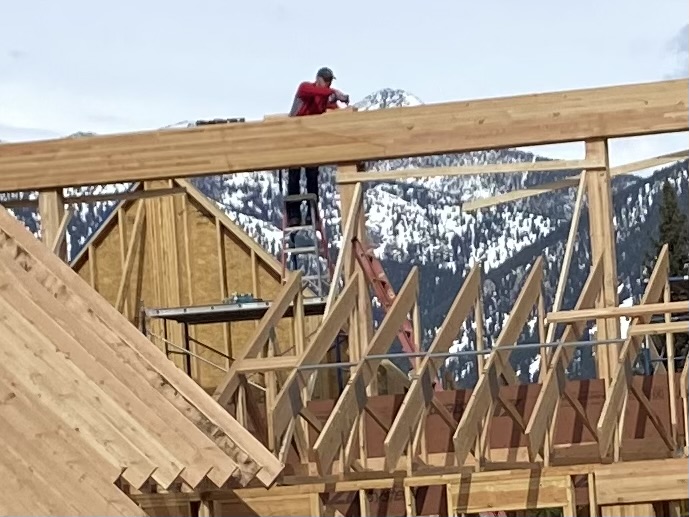
An onsite builder/GC does all of the above—and is physically present and involved daily. They’re not only coordinating the build… they are actively building.
In an onsite General Contractor model, you can expect:
This approach becomes especially valuable in custom homes where craftsmanship and details aren’t optional—they’re the entire point.
Why “onsite” matters more than most people realize
Quality is built in the small moments
The biggest difference between a “good” home and a great one usually isn’t a single major decision – it’s the accumulation of a hundred small ones.
- How trim returns into a corner.
- How windows are flashed and sealed.
- how transitions meet between materials.
- How cabinetry aligns and finishes.
- How framing set the foundation for everything that comes next.
With an onsite builder, these details (and more) are managed continuously – not noticed after the fact.
Problems get solved on the spot
Every build has surprises. Weather shifts. Materials show up late. A framing detail reveals a design adjustment. A trade sees something that needs clarification.
When the leader is onsite:
- Decisions happen quickly
- Changes are made before they become expensive
- Issues don’t get “missed” between visits.
- The job stays tighter and cleaner
In other words: less rework and fewer delays.
Subcontractors work better with clear leadership
Good subs are essential. But even the best subcontractors do their bet work when the job is organized, prepared, and led clearly.
An onsite builder:
- answers questions immediately
- makes sure the site is ready for each trade
- confirms expectations before work begins
- catches details early
- keeps momentum moving
That kind o leadership changes the entire rhythm of a job.
Accountability is Crystal Clear
In a PM model, responsibility can feel spread out:
With an onsite builder, the leadership is concentrated. You know who is accountable for:
What this looks like at Stanghill Custom Builders
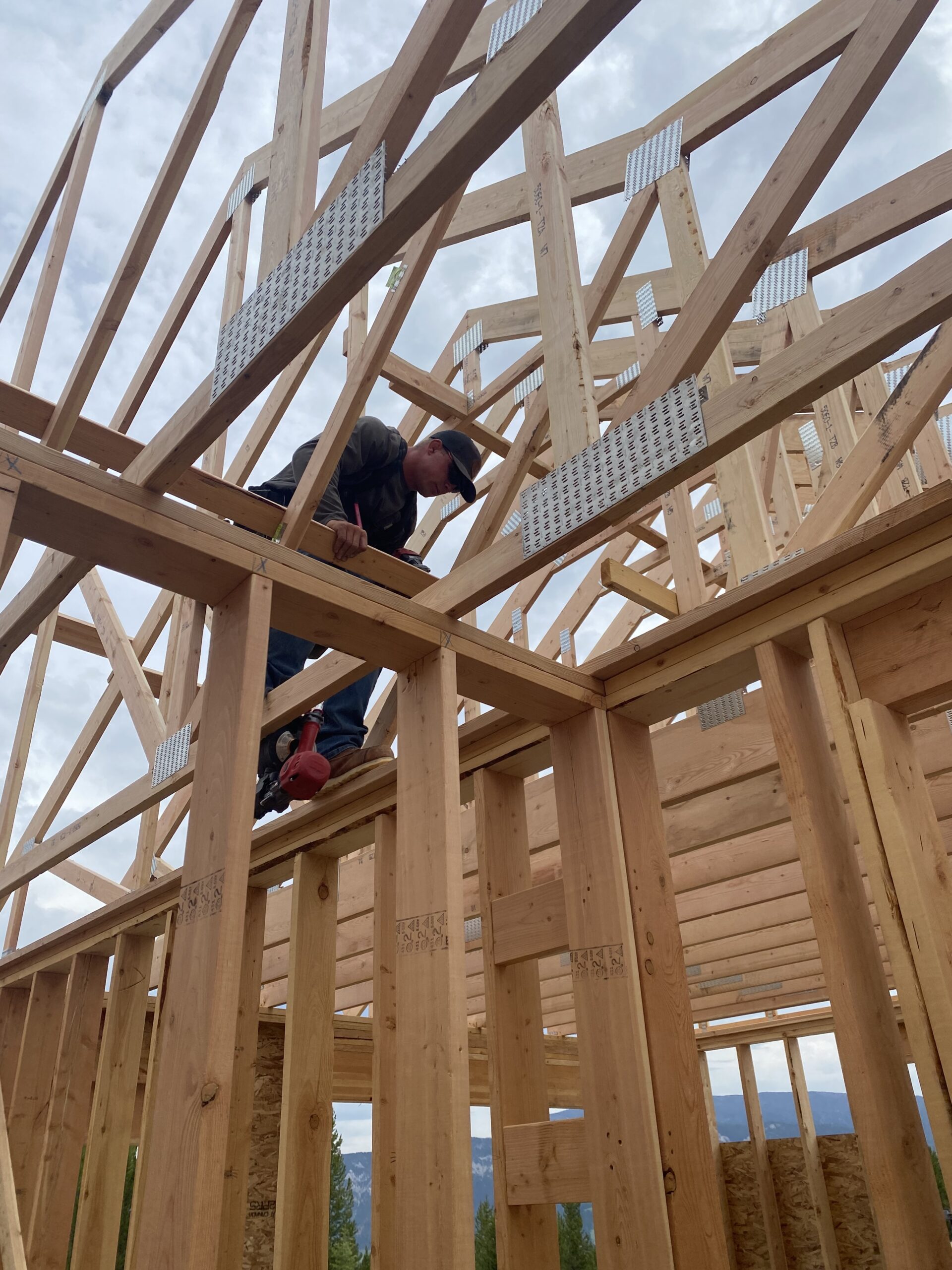
At Stanghill Custom builders, we operate as an onsite builder and general contractor – meaning we’re on the job, every day, wearing tool bags, working, supervising, and meeting with subcontractors when they’re onsite. Our team performs key parts of the build ourselves, including:
We partner with long-established, trusted subcontractors for the following:
Which model is right for you?
If you’re comparing builders, here are a few questions that quickly reveal the difference.
- Who will be onsite daily?
- Who is responsible for quality control on a day-to-day basis?
- How many projects does the lead person oversee at once?
- Who communicates with trades onsite – project manager, builder, or both?
- If something changes in the field, who makes the call?
- Who completes the punch list and final details?
Have a project in mind?
If you’re planning a custom build in Big Sky, Montana or the surrounding area, we’d love to talk through your ideas, timeline, and what’s realistic for your site an scope.